About me
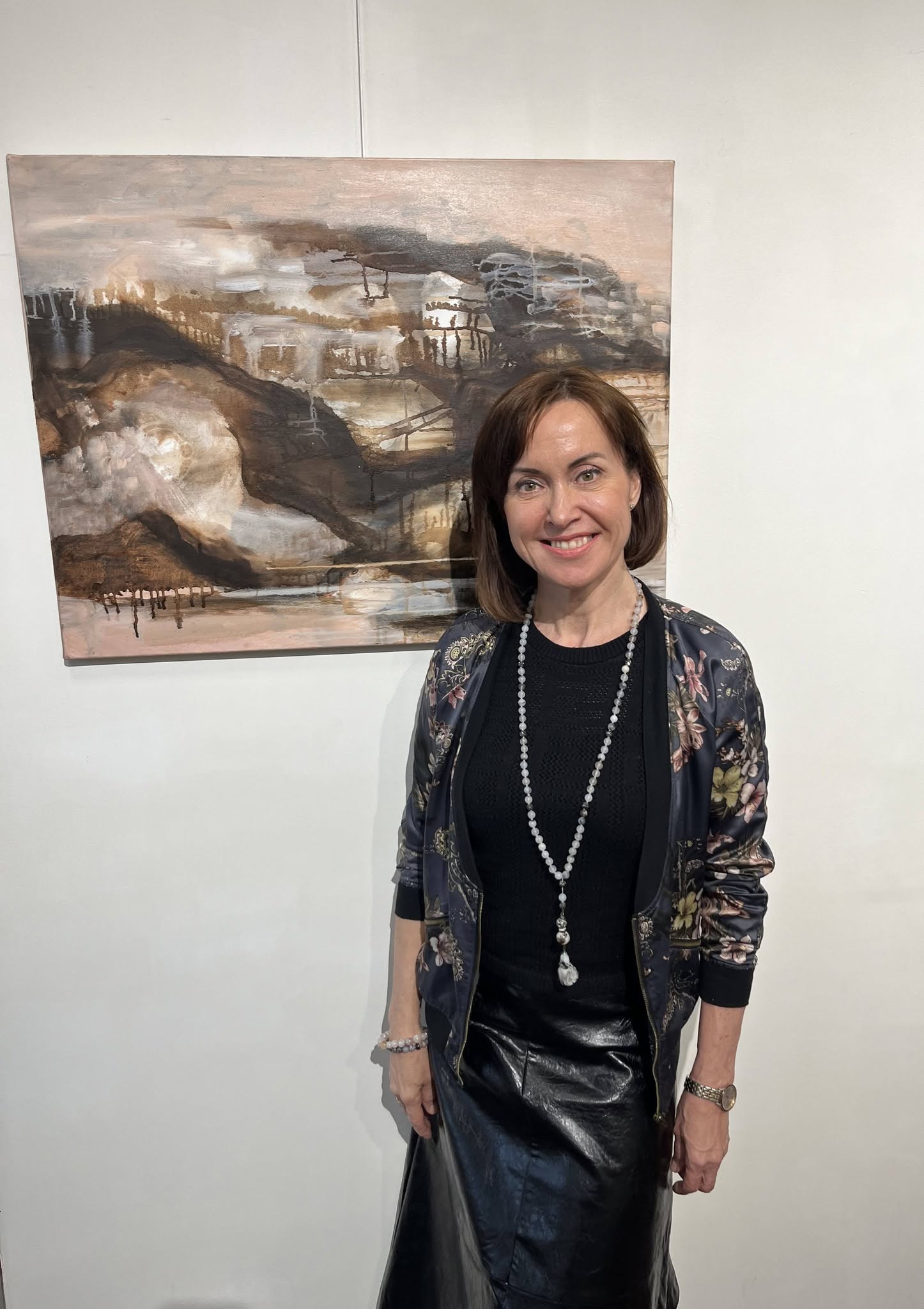
I am a visual artist whose creative journey began with a curiosity to observe the world and gradually evolved into a way of exploring the human being, the inner self, and the invisible connections that unite us with nature, culture, and one another.
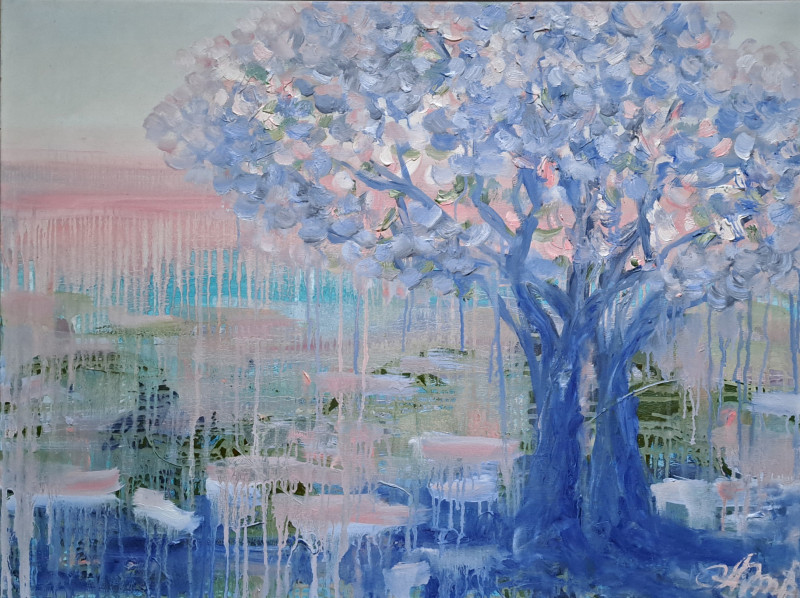
I hold a Master's degree in Visual Design from the Vilnius Academy of Arts. In my master's thesis, The Phenomenon of the World Tree Symbol in Baltic Culture: A Visual Cosmological Journey, I explored Baltic symbolism and its philosophical significance. These studies became a defining foundation of my artistic practice. What began as an exploration of ancient symbols gradually developed into a broader philosophy of human growth that continues to shape both my artistic vision and my worldview.
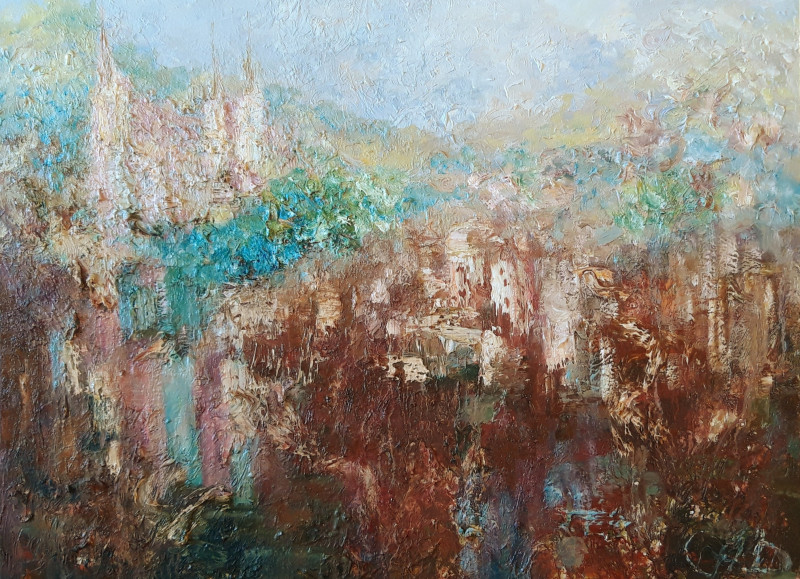
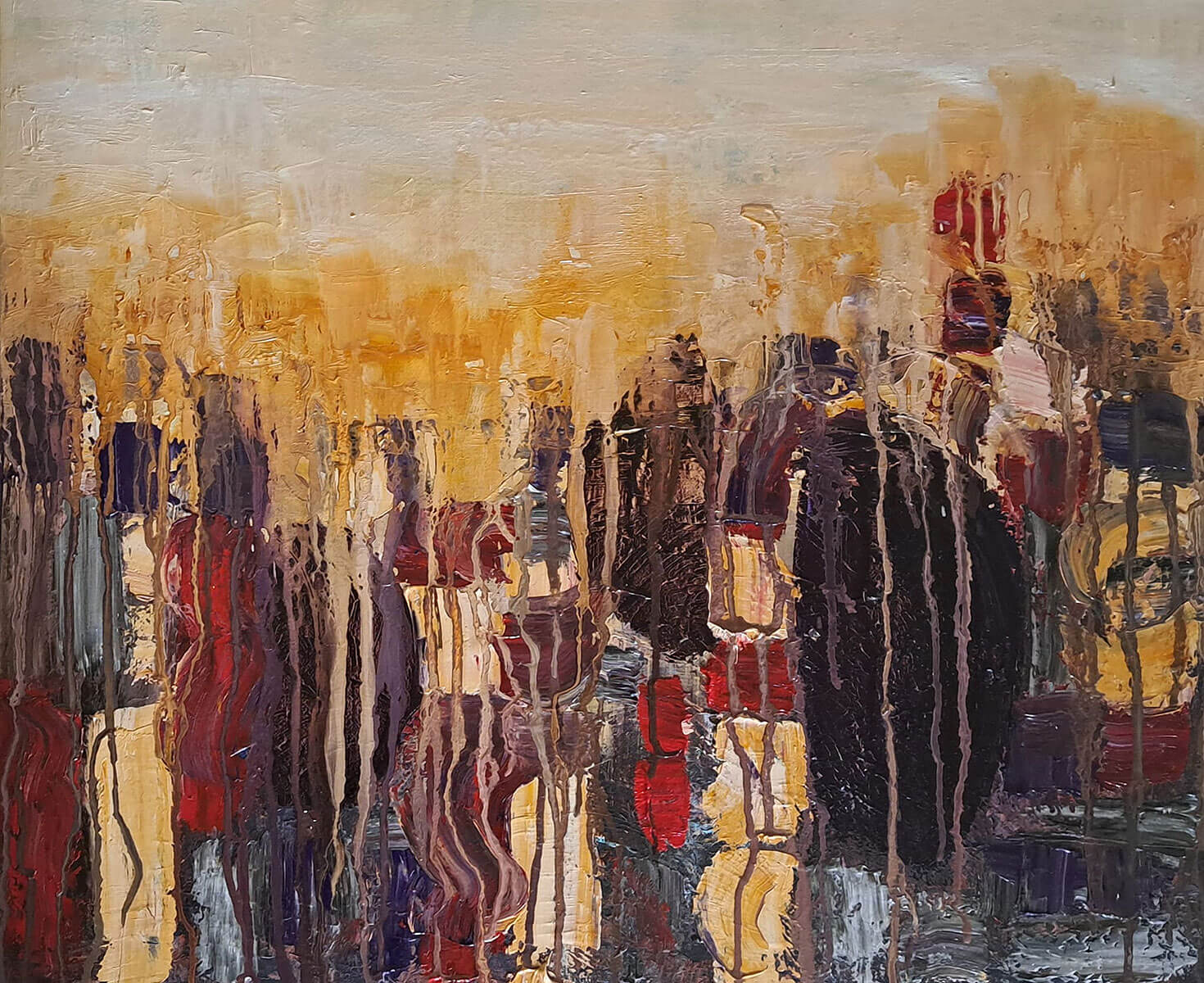
I work in acrylic and oil on canvas, create drawings on paper, and develop sculptural works in steel. For me, each material represents a different artistic language, yet they all share the same purpose: to express the human inner world, memory, harmony, light, and hope.
My steel sculpture project was supported by the Lithuanian Council for Culture and the Tauragė District Municipality. In recognition of my professional artistic achievements, I was awarded the official status of Art Creator by the Ministry of Culture of the Republic of Lithuania.
I have been actively engaged in artistic practice and exhibitions since 2009. My works have been presented in solo and group exhibitions throughout Lithuania, Europe, and the United States. Over the years, my artistic language has naturally evolved from expressive interpretations of nature toward philosophical abstraction. Today, the central focus of my work is a visual philosophy of human growth. Inspired by the metaphor of the World Tree, I create paintings that explore the invisible relationships between humanity, nature, and culture.
Alongside my artistic practice, I curate exhibitions and lead creative art education programmes at the Tauragė Cultural Centre. I believe that art is one of the most profound forms of human communication. It brings people together, encourages self-discovery, nurtures creativity, and inspires each individual to discover their own unique artistic voice.
The most important thing in life is life itself. I believe in the language of art and in the idea that an artist's philosophy cannot be invented—it must be discovered. My works do not seek to provide answers. Instead, they invite the viewer to pause, listen inwardly, and rediscover that quiet inner space where light endures and hope continues to grow.
I live and create in Tauragė, Lithuania.
Areta 2026